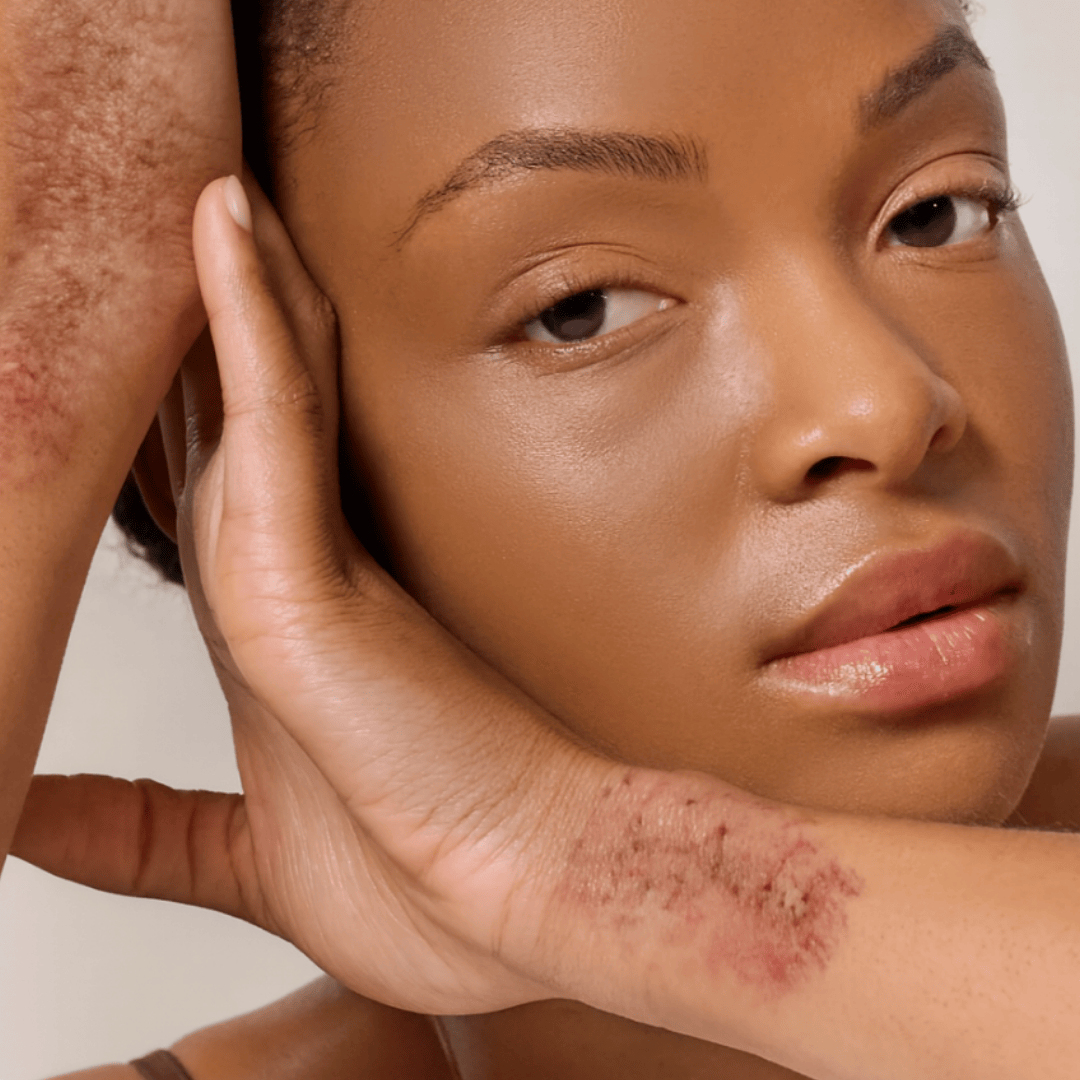
Atopic eczema (or atopic dermatitis) is a common, recurring, and non-contagious chronic inflammatory skin condition. It often affects infants but can persist into adulthood. Redness, itching, dryness, and cracking: the symptoms can vary but all share one common characteristic: they profoundly impact quality of life. But what exactly causes eczema? And how can its effects be alleviated naturally?
1. Genetic and immune factors
Atopic eczema is often linked to a genetic predisposition. Approximately 50 to 75% of affected children have a parent suffering from an allergic disease such as eczema, asthma, or allergic rhinitis. This is referred to as an atopic predisposition.
-
A weakened skin barrier
Some people have a genetic abnormality, particularly in the filaggrin gene, which codes for a protein essential to the structure of the skin. When this protein is absent or insufficient, the skin barrier is less effective.
- Water evaporates more easily → the skin becomes dry,
- Irritating or allergenic substances penetrate more easily → the skin becomes reactive.
-
An excessive immune response
In people with atopic dermatitis, the immune system overreacts to harmless substances (such as dust mites, pollen, or certain foods). It then produces an excess of IgE antibodies, which trigger chronic skin inflammation. This manifests as redness, itching, and eczema patches.

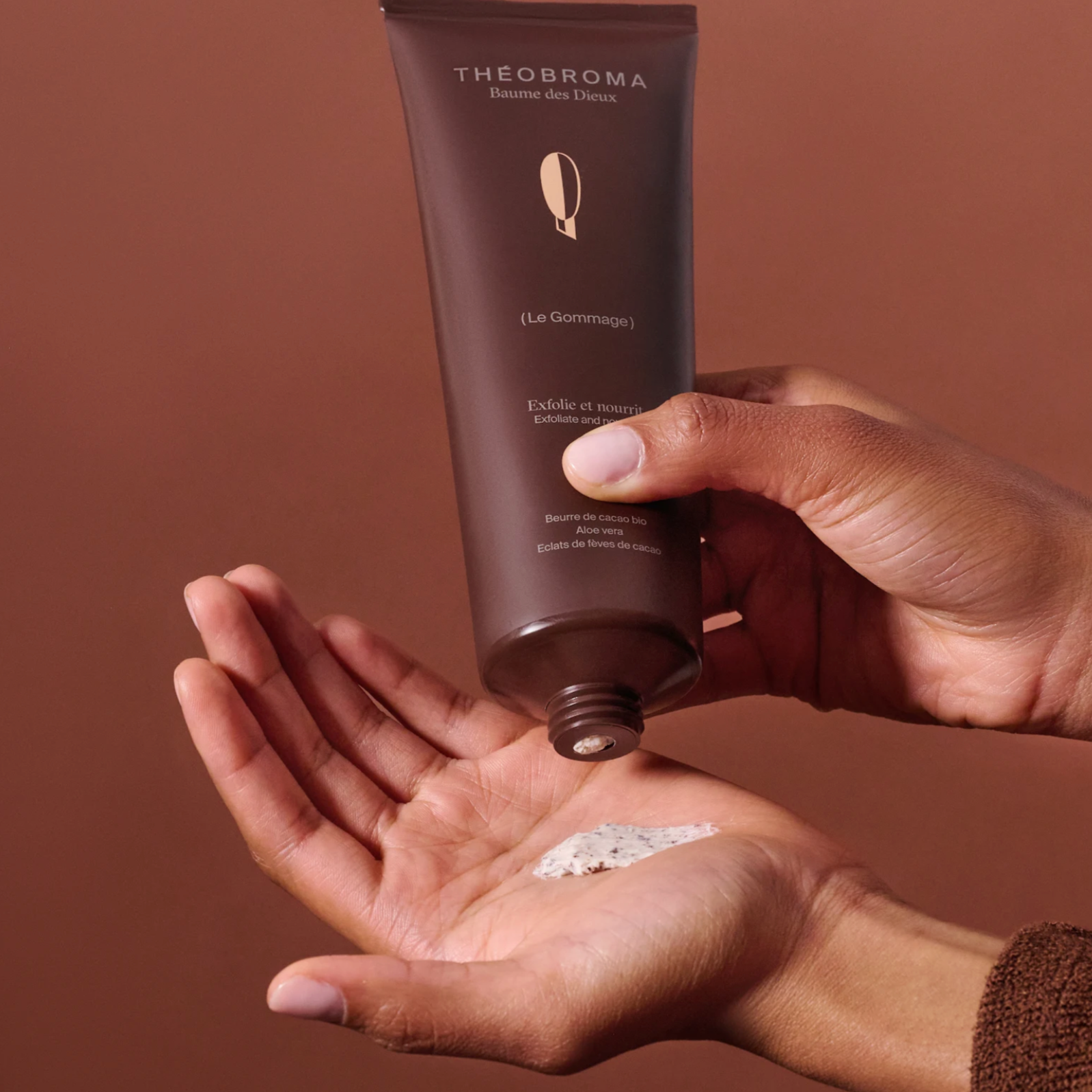
To help the skin defend itself, it's essential to restore its protective barrier with rich, gentle skincare. For example, Théobroma's Balm of the Gods, a soothing natural treatment made with cocoa butter and calming plant oils, can provide true daily comfort for the skin. Discover here the 5 reasons why this natural treatment is highly recommended for eczema-prone skin.

2. Environmental triggers
Several external factors contribute to the onset or worsening of flare-ups:
-
Cold, dry air or urban pollution, excessive hygiene (aggressive soap, frequent showers), poorly ventilated housing, sudden temperature changes.
-
Mechanical or textile irritants: wool, tight-fitting synthetic clothing, perfumed products or harsh detergents,
-
Emotional stress: nervous eczema is triggered or aggravated by psychological tension, via an increase in inflammatory cortisol.
-
Food or environmental allergens: eggs, cow's milk, pollen, dust mites, pet dander, irritating cosmetics or laundry detergents

3. Mechanisms within the skin
Atopic eczema is linked to a weakened skin barrier , promoting:
-
excessive water evaporation (xerosis),
-
the penetration of irritants and allergens,
-
an inappropriate immune response causing redness, itching, blisters, scabs, and oozing.
The disease progresses in flare-ups interspersed with periods of remission.
4. Diagnosis and management
Diagnosis
The healthcare professional performs a clinical examination: observation of the lesions, interview to identify triggers (allergens, products, environment, etc.) and, if necessary, patch tests for contact eczema.
Treatments
-
Avoidance of identified allergens (food, products, metals in jewelry, shoes, etc.).
-
Emollient care : moisturizing creams without perfume or preservatives applied after each contact with water or cold, even in the absence of lesions.
-
Topical dermocorticoids (creams or ointments depending on the location and type of lesion) to calm inflammation during flare-ups; short use and under medical supervision.
-
Additional medications: antihistamines, calcineurin inhibitors or phosphodiesterase inhibitors in cases of persistent or severe forms
Prevention
Maintaining a good indoor humidity level (45–55%), avoiding irritating textiles, managing stress (relaxation, meditation), adopting gentle washing with lukewarm water, enriching the diet with omega-3, vitamins A/D/E if medically advised.

5. The soothing role of natural remedies
Beyond conventional treatments, certain gentle approaches can promote skin comfort:
Among these, Théobroma's Balm of the Gods stands out. Formulated with raw cocoa butter, nourishing plant oils, and soothing botanical extracts, it offers a rich texture that helps restore the lipid barrier without harsh perfumes or chemicals. Used in conjunction with traditional emollients, it comforts irritated skin or skin experiencing mild flare-ups, while respecting the simplicity and safety of a natural ingredient. Discover here which natural treatment is best suited to the stage of your eczema.
In summary
Atopic eczema results from a complex combination of genetic predisposition , skin barrier deficiencies , and immune and environmental triggers . An integrated approach—combining avoidance measures, regular hydration, targeted treatments, and nourishing natural skincare such as Théobroma's Balm of the Gods—helps to better relieve flare-ups, limit recurrences, and improve daily comfort.